The reaction
Salt. Acid.
Sunlight. Time.
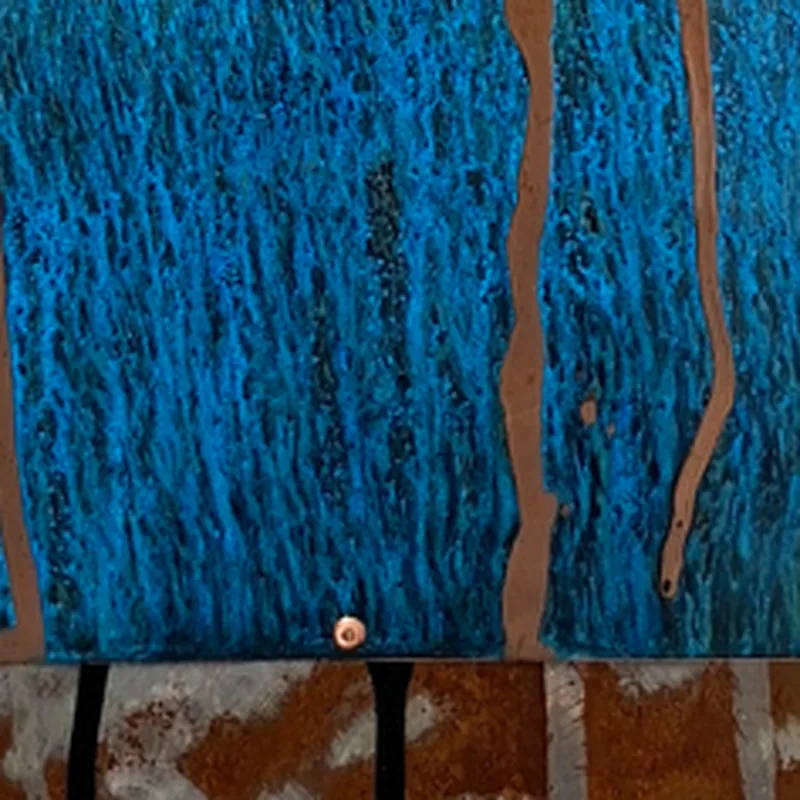
Everyone asks the same thing first. No. There is no paint on any of it, there never has been, and he could not repeat these colours if you paid him to.
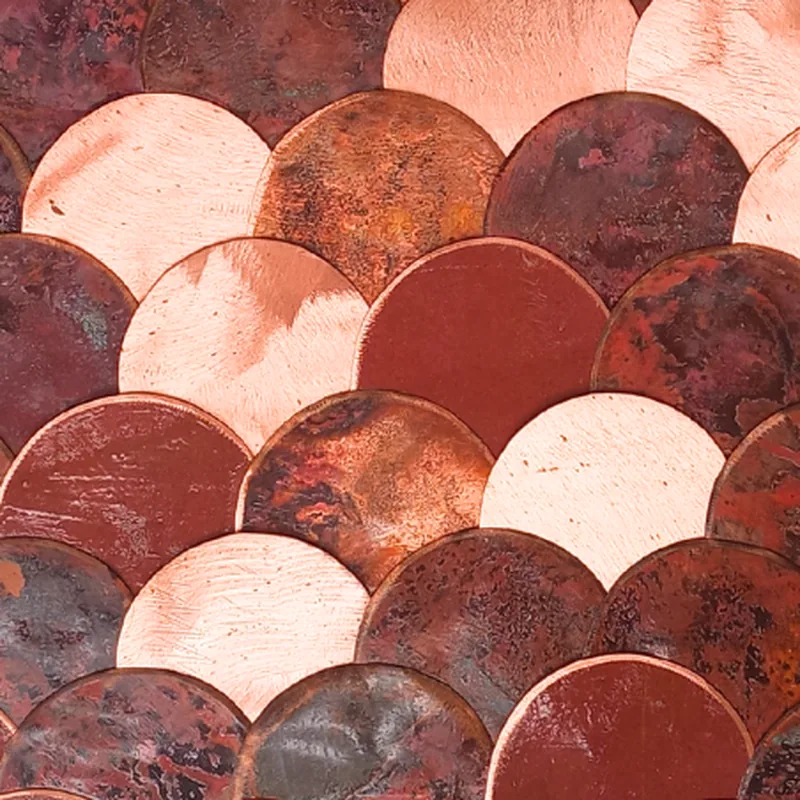
Day one
Bare metal
Cut, hammered, and still just metal. Nothing has happened to it yet.
It has already had a life
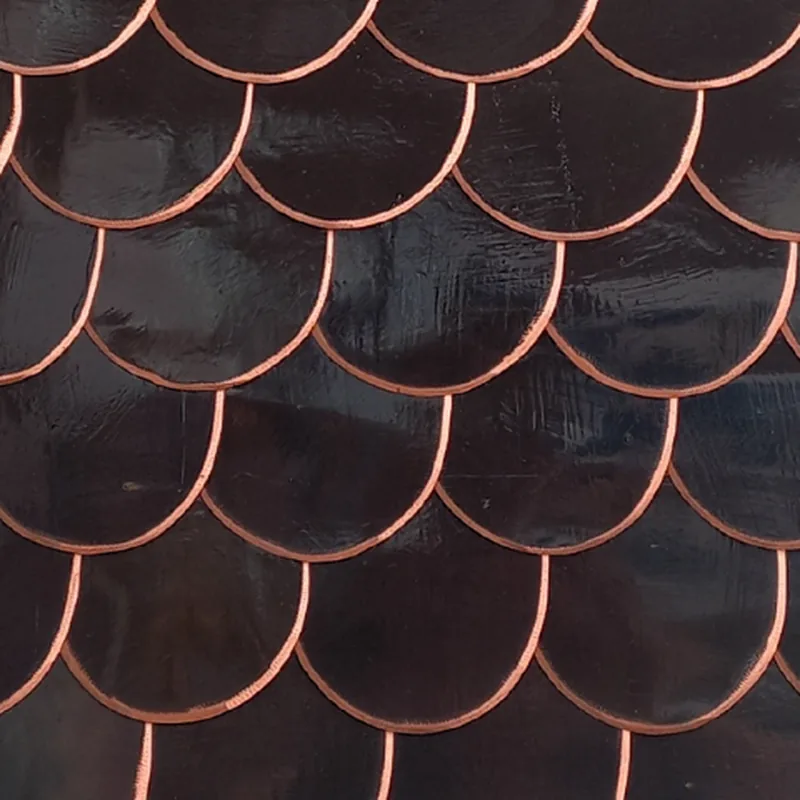
Most of this copper has already had a working life inside a hot water cylinder, doing something entirely unglamorous in the back of somebody’s cupboard, and it arrives with the dents to prove it. Isaac knows the plumbers who pull them out. The railway sleepers under the garden columns come down from the Waikato railyards a hundred at a time.
None of it gets sanded back to new. Whatever happened to the metal before is left where it is, and the work is built on top of it.
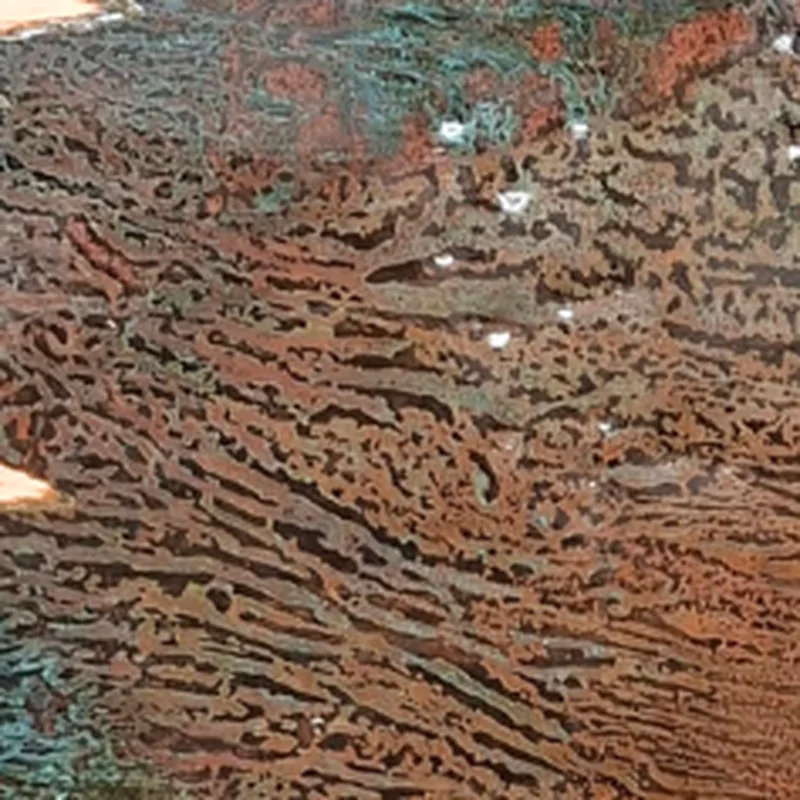
Then it gets hit. Cut, hammered, punched, until the sheet has a landscape on it. That landscape settles everything that comes after, because the salts will gather in the hollows and the sun will only find the ridges.
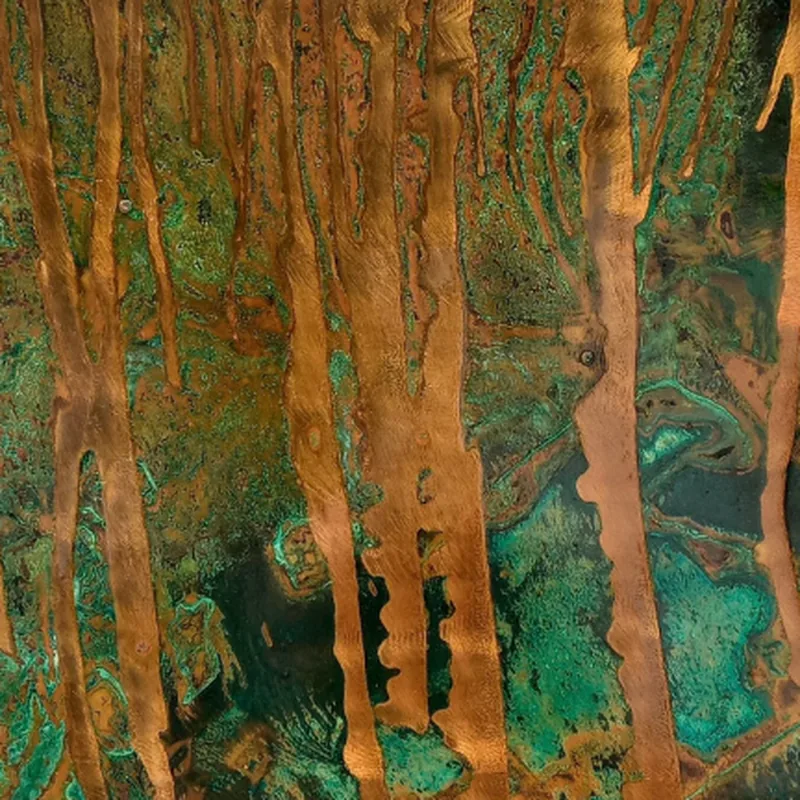
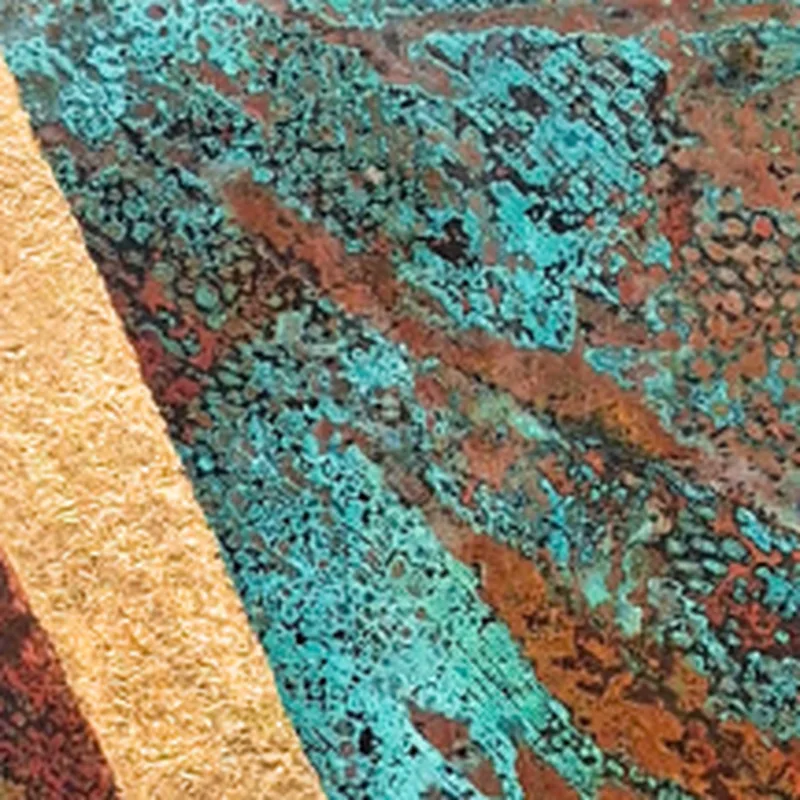
And then he loses control of it, which is the part he likes. Salt, acid, sunlight. Within hours the surface begins to turn. Over weeks it moves through green-gold to verdigris to a deep sea blue. Black takes twenty years, and there is no version of this where you arrive sooner.
Every sheet answers differently. Isaac cannot colour-match one work to another and has stopped pretending otherwise. If you have fallen for a particular blue, that is the piece. There will not be a second one.
The Hobbit Hole
The recipes took years.
The mixing happens in the space under the house, which Isaac and Lara call the Hobbit Hole. The colours he is known for were arrived at the slow way, by trying things until something worked, and by standing well back while it did.
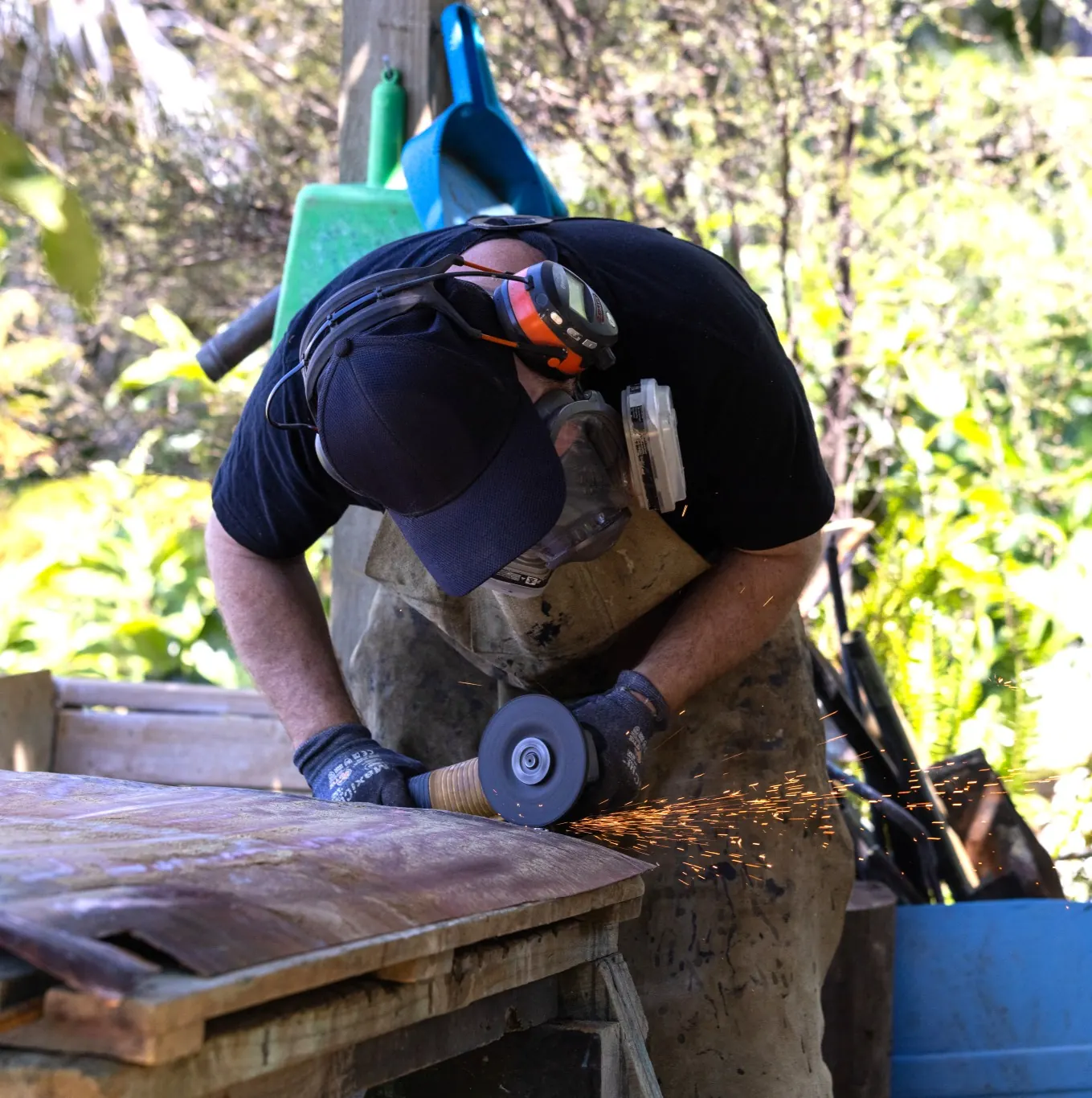
One of the early attempts sent a cloud up out of its container and Isaac out of the door on his hands and knees. He works in a full rebreather now, with earmuffs on, which means he cannot hear anyone coming and is regularly caught dancing to disco.
What Isaac works in
Reclaimed copper
The one that does the talking. Takes patina, keeps its history, and never quite settles down.
Steel
Silhouettes and frames. Put it outside and it makes its own finish without being asked.
Aluminium
For the pieces that want light instead of colour. Bright, restless, harder to photograph.
Railway sleepers
Reclaimed from the Waikato railyards. Carved, burnt and inlaid, and heavy enough to stand in a southerly.
Living with it
It will keep changing. That is the deal.
Indoors
Nothing to do at all. Hang it and forget it. Indoor works are not sealed for weather, so keep them in.
Outdoors
Let it go. Steel rusts to a soft brown, copper blooms along its edges, and neither of those is a fault. Everything that goes outside is finished in marine-grade polyurethane, and a piece in all-day sun can take another coat after a year or two. Or you can leave it alone and let the Bay do what it likes with it.
Commission a reaction
of your own.
Bring the wall, the scale and the light it gets. Isaac will tell you what the copper will probably do and what it will flatly refuse to do. The shape is yours to choose. The colour never is.
Talk it through